
Independent Power
Off-grid solar for sites that need energy independence
Battery-based solar systems for remote locations and critical loads where grid supply is unavailable or unreliable.
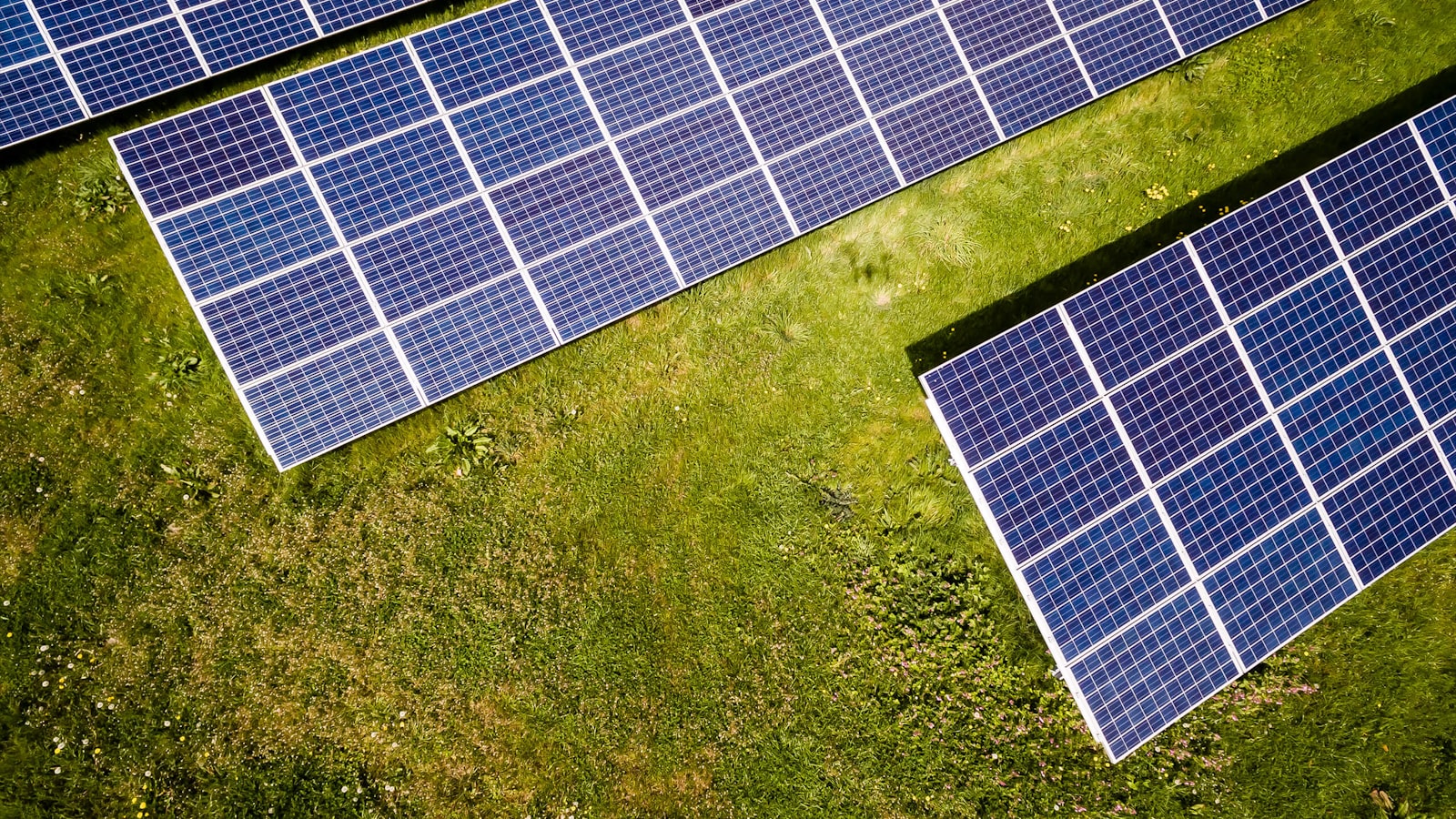
What is Off-Grid Solar Systems?
An off-grid solar system operates independently of the utility grid, using batteries to store energy for night use and cloudy periods.
Key benefits
- Power without depending on utility supply
- Sized for required autonomy hours
- Useful for farms, remote offices, and critical loads
- Expandable battery architectures
Step-by-step delivery
A practical process from first call to commissioning.
Step 1
Load audit
Critical vs optional loads and runtime needs.
Step 2
Autonomy design
Battery bank, PV array, and charger sizing.
Step 3
Safe installation
Battery room practices and protection.
Step 4
Owner training
Usage patterns that extend battery life.
Pros & cons
Pros
- True independence
- Useful where grid is weak
- Supports critical operations
Considerations
- Higher capex due to batteries
- Requires disciplined load management
Key takeaways
- Off-grid success starts with honest load listing and autonomy targets.
- Battery chemistry and depth-of-discharge rules drive lifecycle cost.
- Hybrid can be better if a weak grid is still available.
Off-Grid Solar Systems FAQs
Choose off-grid when there is no practical grid connection. If grid exists—even if unstable—hybrid often provides better economics.
Fast Installation · Performance Focus
Design my off-grid system
Book a free site survey with Sunrays Solar Solutions. We map your load profile, design the array, and share a subsidy-ready proposal with clear ROI.