
Savings · 1 min read
Rooftop Solar Cost and Savings in Dhule: A Practical Guide
By Sunrays Engineering Team · Updated 2026-03-02
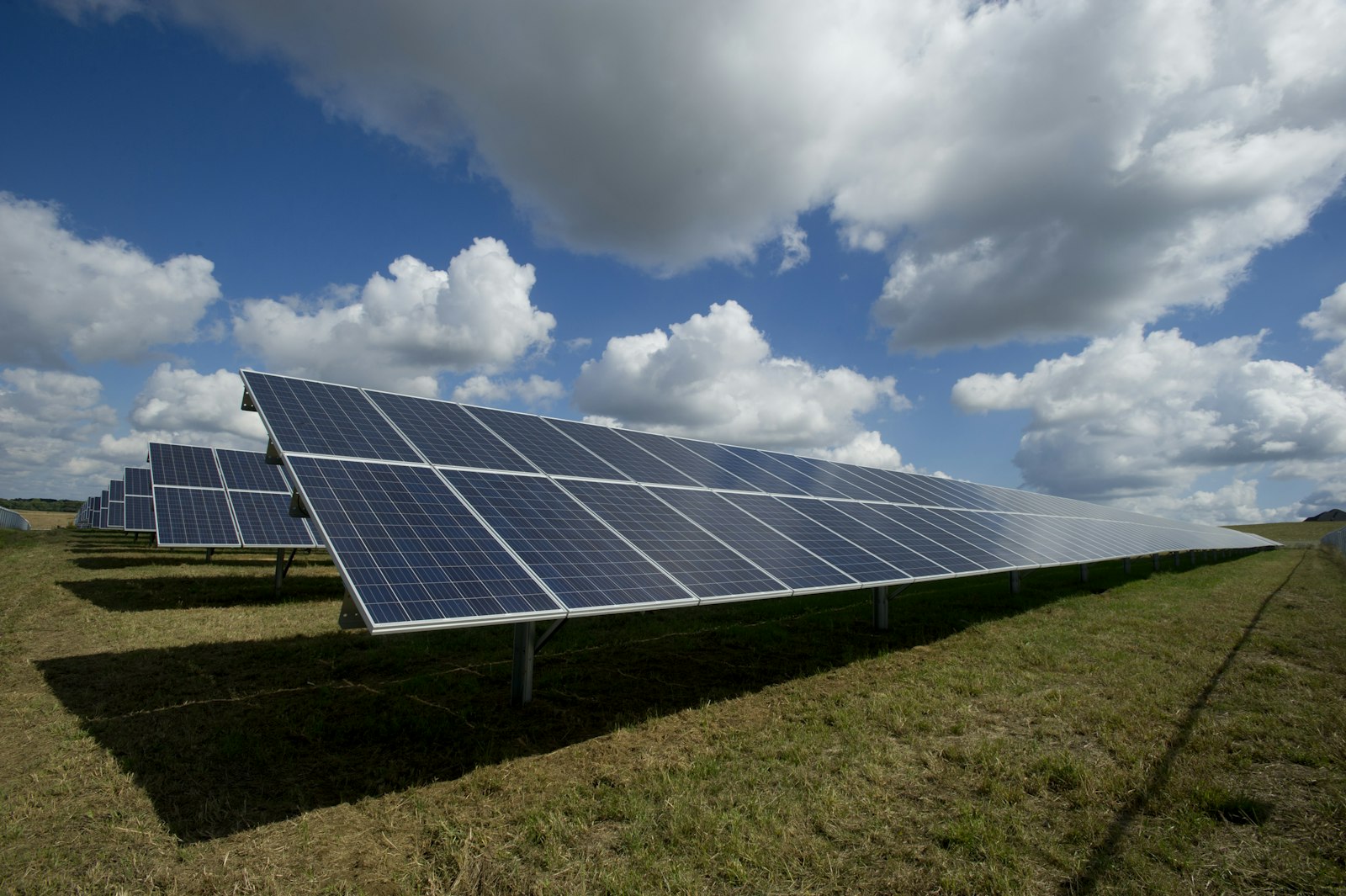
Understand how system size, tariff, subsidy eligibility, and self-consumption shape solar payback for homes in Dhule.
What determines solar savings?
Solar savings in Dhule depend on more than panel wattage. Your electricity tariff, daytime consumption, roof shading, and net-metering setup all influence monthly bill reduction.
A well-designed system prioritizes self-consumption first, then export credits. That is why a survey-based proposal is more reliable than a price-per-watt quote alone.
Typical generation expectations
In much of Maharashtra, a well-oriented 1 kW rooftop system can generate roughly 4–5.5 units per day depending on season and irradiation. Multiply carefully—monsoon months are lower, summer months are stronger.
- Use annual generation estimates, not a single best-day figure
- Account for soiling and maintenance in real-world yield
- Match inverter sizing to roof and load realities
Subsidy and payback
Eligible residential rooftops up to 10 kW may benefit from central subsidy slabs when process requirements are met. Payback commonly falls in a 3–6 year range depending on tariff and usage.
Treat subsidy as a process-driven benefit, not a guaranteed discount printed on a flyer.
Key takeaways
- • Savings are driven by tariff + self-consumption + system quality.
- • Expect seasonal variation in generation.
- • Subsidy can improve economics when eligibility and paperwork are handled correctly.
Article FAQs
It can be, but payback is usually stronger for higher tariffs and higher daytime usage. A quick bill review tells you whether to proceed now or size smaller.
Need a site-specific quotation?
Talk to Sunrays Solar Solutions for a free survey in Dhule and nearby areas.